
Spotify’s editorial team receives over 60,000 new tracks every day, but only a fraction land on major playlists. What does it actually take to get your music on playlists and turn a release into real momentum?
For independent musicians and labels, learning how to get music on playlists is more than a marketing tactic—it’s a core strategy for building streams, reaching new fans, and unlocking revenue. The right playlist placement can transform a song’s trajectory overnight, but the process is competitive and nuanced. This guide breaks down every step, from preparing your release to pitching, networking, and maximizing your chances across Spotify, Apple Music, and beyond.
Why Playlists Matter for Independent Artists
Landing on a playlist isn’t just about vanity metrics. It’s about visibility, algorithmic momentum, and direct revenue. When a track appears on a popular playlist, it’s exposed to thousands (sometimes millions) of listeners who might never have found it otherwise. For many artists, a single playlist add can drive more streams in a week than months of organic promotion.
But playlists do more than boost numbers. They signal to digital platforms that your music is worth surfacing in recommendations, radio, and algorithmic feeds. This creates a feedback loop: more streams lead to more data, which leads to more opportunities for discovery. I’ve seen artists go from 500 monthly listeners to 50,000 in a matter of weeks after landing on the right playlist.
Understanding the Playlist Ecosystem
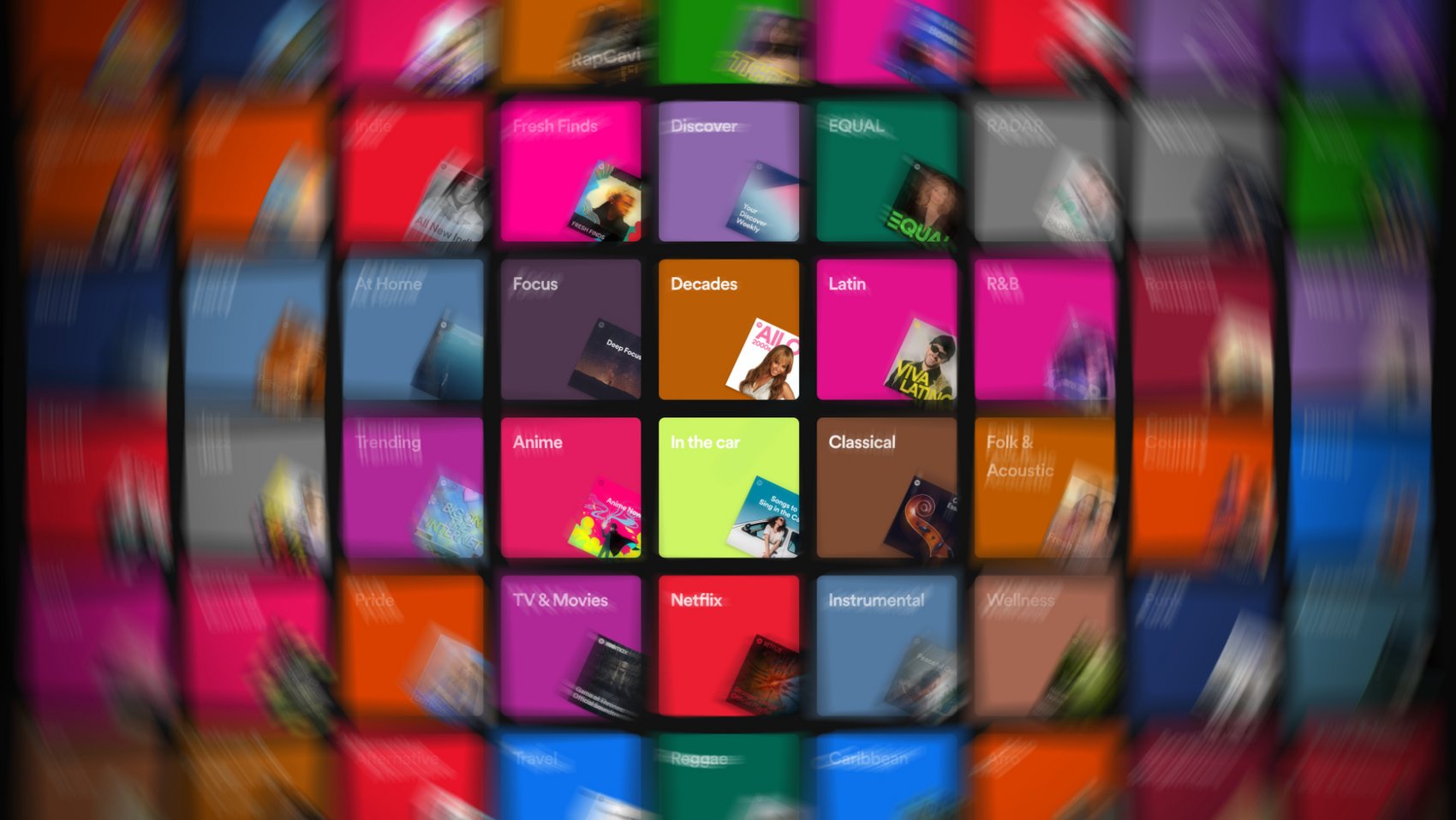
Before you can master how to get music on playlists, you need to understand the landscape. Not all playlists are created equal, and each type requires a different approach.
- Editorial Playlists: Curated by platform staff (Spotify, Apple Music, Amazon Music). These are the most coveted spots, with the largest audiences and the most influence on algorithms.
- Algorithmic Playlists: Generated by the platform’s recommendation engine based on listener behavior. Examples include Spotify’s Discover Weekly, Release Radar, and Your Daily Mix.
- User-Curated Playlists: Created by individual users, influencers, or independent curators. Some have massive followings and can drive significant streams.
- Label/Brand Playlists: Managed by labels, brands, or media outlets. These often have a niche audience but can be highly engaged.
Each type has its own gatekeepers, pitching process, and impact. A smart playlist strategy targets all four, not just the big editorial lists.
Preparing Your Music for Playlist Success
You can’t pitch a half-finished product and expect results. The groundwork you lay before release day is critical.
1. Nail the Metadata
Platforms and curators rely on accurate metadata to categorize, recommend, and track your music. Double-check:
- Song title, artist name, and featured artists
- ISRC codes and songwriter splits
- Genre, mood, and language tags
- Release date and cover art
A single typo or mismatch can derail your pitch or cause your track to be misfiled. I’ve seen artists lose out on playlist spots because their genre tag was missing or their release date was set incorrectly.
2. Master Your Release Timeline
Timing is everything. Most platforms require your music to be delivered at least 2-4 weeks before release day to be eligible for editorial consideration. This window gives curators time to review, pitch, and schedule tracks.
- Upload your track to your distributor at least 4 weeks in advance
- Set a clear release date and stick to it
- Use pre-save campaigns to build early momentum
If you’re late, you’re invisible to most editorial teams. Early delivery also helps you catch metadata errors before they become costly.
3. Build a Professional Artist Profile
Curators check your artist profile before adding you to playlists. Make sure yours is complete and compelling:
- High-quality profile photo and cover image
- Updated bio with recent achievements
- Social links and website
- Consistent branding across platforms
A polished profile signals that you’re serious and ready for a wider audience.
How to Get Music on Playlists: The Pitching Process
Pitching is both an art and a science. Here’s how to approach it for maximum impact.
Pitching to Spotify Editorial Playlists
Spotify’s editorial team uses a dedicated pitching tool inside Spotify for Artists. Here’s how to use it effectively:
- Upload your track at least 4 weeks before release.
- Fill out the pitch form in detail:
- Genre, mood, and culture tags
- Song description (inspiration, collaborators, story)
- Marketing plans (press, social campaigns, notable features)
- Highlight what makes your track unique.
- Be concise and specific.
Spotify’s editors want to know why your song stands out and who it will resonate with. Avoid generic pitches—focus on concrete details, like a viral TikTok trend, a notable feature, or a unique production element.
What Increases Your Chances?
- Early delivery (the earlier, the better)
- Strong pre-save numbers and social buzz
- Previous playlist placements or press coverage
- Clear genre and mood targeting
If you’re wondering how to get your music in Spotify playlists, this is the most direct route. But remember, competition is fierce. Even a perfect pitch doesn’t guarantee a spot.
Pitching to Apple Music and Other DSPs
Apple Music doesn’t have a public pitching tool like Spotify, but you can still reach their editorial team through your distributor or label. Here’s what helps:
- Work with a distributor that has relationships with Apple’s editorial team
- Provide a detailed one-sheet with your release (bio, story, marketing plan)
- Highlight any Apple Music-specific achievements (Shazam stats, previous features)
For Amazon Music, Deezer, and others, the process is similar: leverage your distributor’s connections, provide detailed release info, and build a track record of engagement.
Reaching Independent Curators and Influencers
User-curated playlists are often more accessible than editorial lists, but they require targeted outreach. Here’s how to approach them:
- Research playlists in your genre with active followers
- Find curator contact info (Instagram, Twitter, email)
- Personalize your pitch—mention why your track fits their playlist
- Keep it short, friendly, and professional
Some curators accept submissions through platforms like SubmitHub, Groover, or PlaylistPush. These can be effective, but always vet the curator’s legitimacy and engagement rates before paying for submissions.
Building Relationships with Curators
Playlisting is a relationship business. The more you connect with curators, the better your chances of repeat placements.
- Engage with curators on social media (like, comment, share their posts)
- Thank them publicly if they add your track
- Offer exclusives or early listens for future releases
- Stay professional and respectful—never spam or demand placement
Over time, these relationships can turn into long-term partnerships. I’ve seen artists land on the same influential playlist release after release simply because they built trust with the curator.
Maximizing Algorithmic Playlist Potential
Algorithmic playlists like Spotify’s Discover Weekly and Release Radar are driven by data, not pitches. But you can influence the data they use.
How to Trigger Algorithmic Playlists
- Drive early streams and saves in the first 72 hours (see Why the First 72 Hours After Release Matter)
- Encourage fans to follow your artist profile
- Get listeners to add your track to their personal playlists
- Avoid high skip rates—focus on quality and engagement
The more positive signals your track sends, the more likely it is to be picked up by algorithmic playlists. This is where your fanbase becomes your secret weapon.
Promoting Your Playlist Placements
Landing on a playlist is just the beginning. To maximize the impact, you need to promote the placement and drive more streams.
- Announce playlist adds on your social channels
- Tag the playlist and curator (if possible)
- Share direct links in your bio, stories, and email newsletter
- Encourage fans to listen, save, and share
This not only boosts your current track but also increases your chances of future placements. Curators notice when artists drive real engagement.
Common Mistakes to Avoid
Even experienced artists make missteps that cost them playlist opportunities. Here are some pitfalls to watch for:
- Submitting music too late for editorial consideration
- Using incomplete or inaccurate metadata
- Sending generic, copy-paste pitches
- Ignoring smaller, niche playlists in favor of only the biggest lists
- Paying for placements on fake or botted playlists (this can get you banned)
If you’re ever unsure about a playlist’s legitimacy, check their follower growth, engagement rates, and track history. Real playlists have steady growth and active listeners, not sudden spikes or suspiciously high numbers.
How Do I Put a Song on Spotify? Step-by-Step
For many, the first question is simply how to get your own music onto Spotify in the first place. Here’s a quick walkthrough:
- Choose a digital distributor: Options include BeChorus, DistroKid, TuneCore, CD Baby, and others. Each has its own pricing and features.
- Upload your track: Provide the audio file, cover art, and all required metadata.
- Set your release date: Give yourself at least 4 weeks for pitching and promotion.
- Submit for editorial consideration: Use Spotify for Artists to pitch your track before release.
- Promote your pre-save link: Build early momentum and collect fan data.
Once your track is live, you can start pitching to user-curated playlists and promoting your release.
How to Get on Apple Music Playlists
Apple Music’s editorial process is less transparent than Spotify’s, but it’s still possible to land on their playlists. Here’s what helps:
- Work with a distributor that has a direct line to Apple’s editorial team
- Provide a compelling story and marketing plan with your release
- Highlight any Apple Music-specific achievements (Shazam stats, previous features)
- Build a track record of engagement and professionalism
Apple’s editors look for tracks that fit their brand and audience, so tailor your pitch accordingly.
How to Get Your Music on Spotify Playlists: Advanced Tips
If you want to go beyond the basics, here are some advanced strategies I’ve seen work for independent artists and labels:
- Collaborate with other artists: Joint releases can double your reach and increase playlist potential.
- Leverage data: Use Spotify for Artists and distributor analytics to identify which playlists and curators are driving the most streams. Focus your efforts there.
- Create your own playlists: Curate lists that include your music alongside similar artists. Promote these to your fans and encourage sharing.
- Network with other musicians: Share playlist opportunities, cross-promote, and support each other’s releases.
- Invest in PR: A strong press campaign can catch the attention of curators and editors.
Frequently Asked Questions: Playlists, Distribution, and Downloads
How do I put a song on Spotify?
You need to use a digital distributor (like BeChorus, DistroKid, or TuneCore) to deliver your music to Spotify. Upload your track, fill in the metadata, set a release date, and submit for editorial consideration through Spotify for Artists.
How to get on Spotify editorial playlists?
Submit your unreleased track through Spotify for Artists at least 4 weeks before release. Fill out the pitch form in detail, highlight your marketing plan, and drive early engagement through pre-saves and social buzz.
How to get on Apple Music playlists?
Work with a distributor that has relationships with Apple’s editorial team. Provide a compelling story, marketing plan, and highlight any Apple Music-specific achievements.
How to get your music in Spotify playlists?
Pitch to editorial playlists, reach out to independent curators, and drive early engagement to trigger algorithmic playlists. Build relationships with curators and promote your placements to maximize impact.
How to download Spotify songs to MP3?
Spotify does not officially allow downloading songs as MP3 files for offline use outside the app. Some third-party tools claim to offer this, but they often violate Spotify’s terms of service and can result in account suspension. For legal offline listening, use Spotify’s built-in download feature within the app.
How to download Spotify playlist to MP3?
Similar to individual tracks, downloading an entire Spotify playlist as MP3 files is not supported by Spotify and may breach their terms. Always use legal methods for offline listening.
How to put your own songs on Spotify?
Use a digital distributor to upload your music, set your release date, and submit for editorial consideration. Make sure your metadata is accurate and your artist profile is complete.
How to download Spotify to MP3?
There is no official way to convert Spotify streams to MP3 files. Use Spotify’s offline mode for legal listening, or purchase tracks from authorized retailers if you need MP3s.
Building a Sustainable Playlist Strategy
Getting on a playlist is not a one-time event—it’s an ongoing process. The most successful artists treat playlisting as part of a larger release strategy, not a shortcut to instant fame.
- Plan your releases with enough lead time for pitching
- Build relationships with curators and fans
- Track your results and adjust your approach
- Stay consistent with quality and branding
Over time, these habits compound. Each playlist placement builds your reputation, grows your audience, and increases your chances of future success.
The Role of Distributors and Artist Services
A good distributor does more than just deliver your music to platforms. They can:
- Pitch your tracks to editorial teams
- Provide analytics and royalty tracking
- Offer marketing and promotional support
- Help you resolve metadata or delivery issues
Platforms like BeChorus are designed to empower independent artists with these tools. If you’re serious about playlisting, choose a distributor that supports your goals and offers transparent reporting.
Protecting Your Rights and Revenue
Before you pitch or distribute your music, make sure you understand your rights. Always:
- Register your songs with a performing rights organization (PRO)
- Ensure all collaborators are credited and compensated
- Read your distributor’s terms and conditions
- Monitor your royalty statements for accuracy
This protects your income and ensures you’re eligible for playlist placements on all major platforms.
Privacy, Data, and Fan Engagement
When you promote your music and collect fan data (emails, pre-saves, etc.), respect privacy laws and best practices. Review your distributor’s privacy policy and use secure tools for data collection. Engaged fans are your best asset, but trust is essential for long-term growth.
Case Study: From Zero to Playlist Hero
Let’s look at a real-world example. An independent pop artist released a single through a distributor with strong editorial connections. They:
- Delivered the track 5 weeks before release
- Ran a pre-save campaign that collected 1,200 emails
- Submitted a detailed pitch through Spotify for Artists
- Reached out to 30 independent curators in their genre
- Promoted every playlist add on social media
Result: The track landed on two editorial playlists, five user-curated lists, and triggered Release Radar for over 10,000 listeners. Streams jumped from 800 to 40,000 in the first month, and the artist gained 2,500 new followers. The key was preparation, targeted pitching, and relentless promotion.
Final Thoughts: How to Get Music on Playlists
Learning how to get music on playlists is a skill every independent artist and label can master. It takes preparation, persistence, and a willingness to build real relationships. Focus on quality, timing, and engagement. Use every tool at your disposal—editorial pitching, independent curators, algorithmic triggers, and fan-driven promotion.
Remember, playlisting is not a lottery. It’s a process you can influence with the right strategy and mindset. Start early, stay organized, and treat every release as an opportunity to grow your audience and career.
If you’re ready to take your next release to the next level, start by reviewing your release plan, updating your artist profile, and mapping out your pitching strategy. The playlists are waiting.
Ready to distribute your next single and maximize your playlist potential? Apply to BeChorus and join a global community of empowered independent artists.